Challenges and opportunities for cities and urban areas under accelerating climate change
The effects of climate change are with us now. And with the recent acceleration of global warning the risks associated with intensifying hazards and their cascading effects throughout society are increasing. Nowhere is this more apparent and pressing than in our cities. Around 50% of the world’s population lives in urban areas and this is expected to increase to around 70% by the middle of the century due to both urbanization and population growth.
Cities and their surroundings are drivers of the majority of greenhouse gas emissions on an annual basis. As complex systems of systems cities concentrate risk, most notably in the form of so-called ‘compound and cascading risks’ — this summer in the Northern Hemisphere has given us several salient example and we can expect more to come.
However, they are also leverage points for enacting transformative change that can improve resilience, quality of life and contribute to broader goals of reducing emissions and avoiding the worst impacts of climate change.
This talk will take us through the climate impacts to-date, what we can expect under current warming rates, and how cities can integrate climate adaptation into their planning and development strategies. The latter point includes an honest assessment of the trade offs, co-benefits and potential risks associated with maladaptation as cities aim to strike a balance between present needs and future visions.
Foredragsholder:
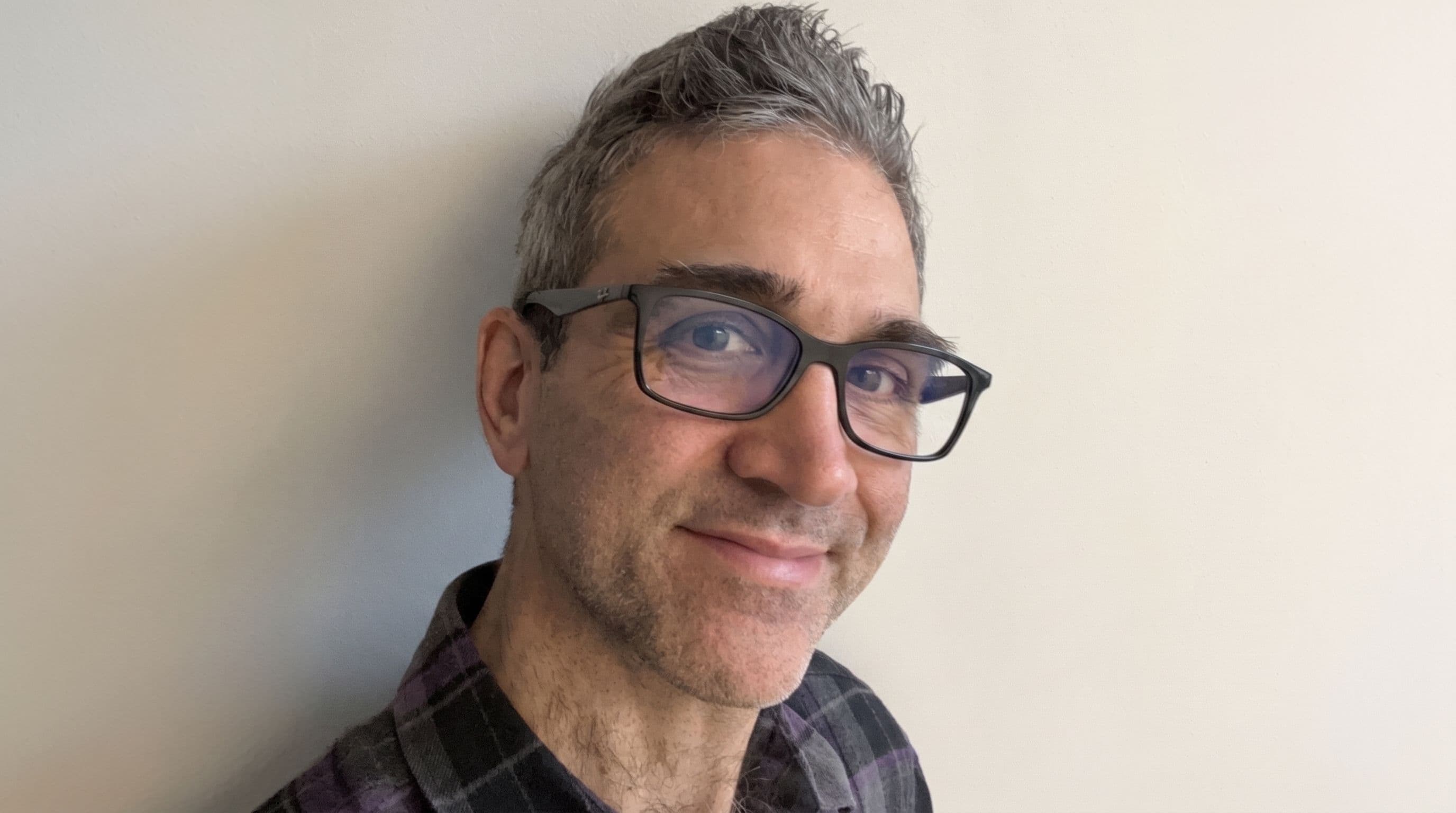
Stefan Pieter Sobolowski
Research leader, Bjerknes Center for Climate
Research Assoc. Prof. Geophysical Institute, University of Bergen
Research Professor, NORCE
Research theme leader Global Climate
"My research and outreach activities flow along three interwoven and complementary strands. One is to improve understanding of our planet's large-scale atmospheric circulation to address challenges involving prediction, representation of key phenomena and responses of the climate system to natural and human induced forcing. The second considers regional to local scales and improving our understanding of physical drivers of climate impacts, especially extreme events, at the locations where they are most acutely felt. The third aims to distill basic and applied research into useful climate information and services with a special focus on climate adaptation/resilience in vulnerable areas and an equitable transition to a low-carbon future. Recently my interests have expanded to include Generative AI approaches for rapid provision of local scale climate information and explainable AI for prediction and attribution applications."
Annet interessant
Artikler
Generalsekretæren mener at de unges undring kan være en drivkraft for realfagsrekruttering....
Generalsekretæren ønsker et IAEA for KI. (Lederartikkel i NTVAs nyhetsbrev 8. mars 2026.)
Mens de fleste solcellepaneler er plassert på land, representerer flytende solenergi et spennende...
Nyheter
Vi søker en ny generalsekretær til å lede sekretariatet i Trondheim og koordinere vår omfattende...
Akademiet var representert både under selve gravferden i Oslo domkirke, og ved den påfølgende...
Ved H.M. Kong Harald Vs bortgang ønsker Norges Tekniske Vitenskapsakademi (NTVA) å hedre vår høye...